Welcome to RDI Webpage!
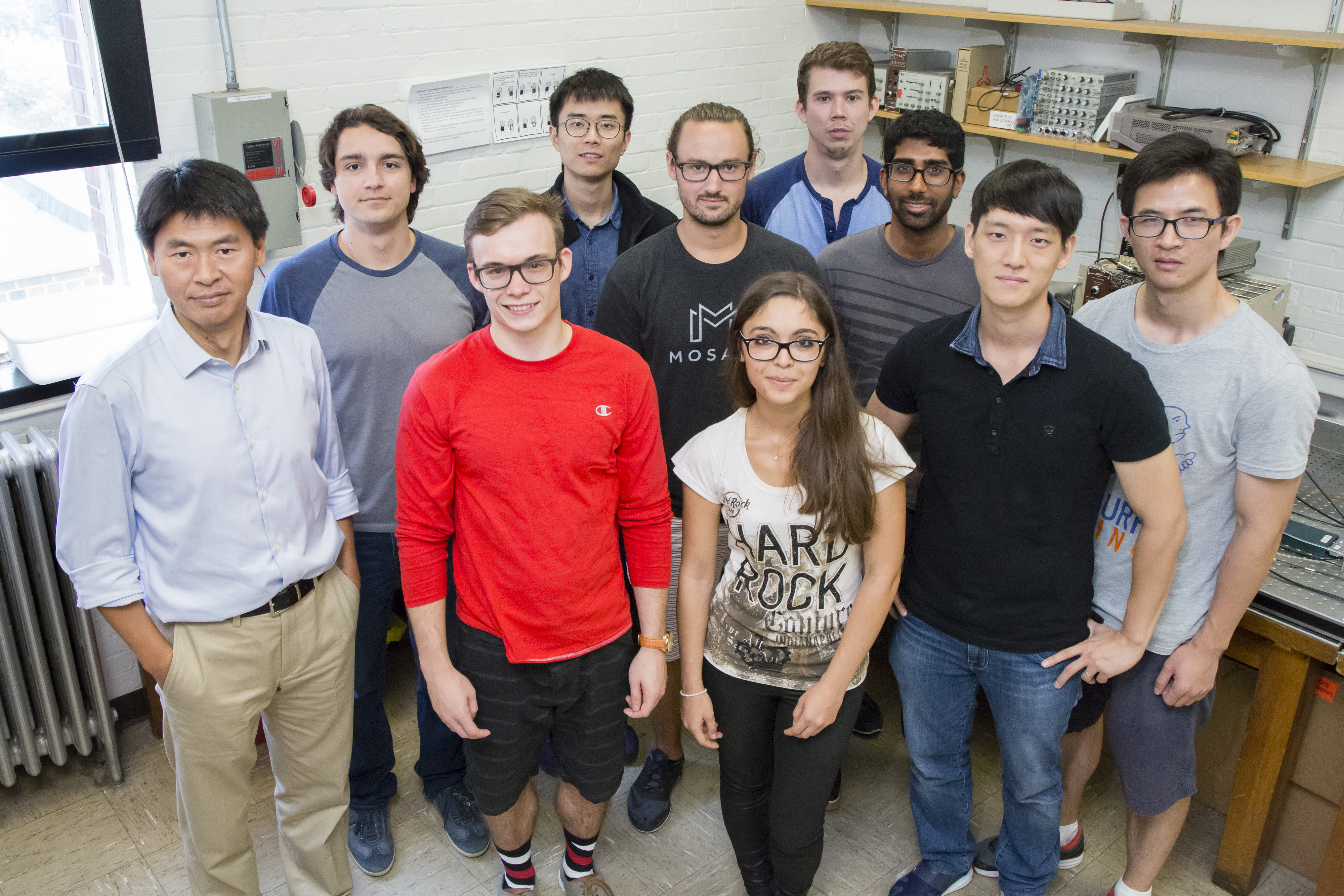
Here at the RDI group, our overarching goal is to develop advanced radiological imaging techniques that could fundamentally transform the role of nuclear medicine in preclinical and clinical practices, and through these efforts to significantly improve the health and well-being of the community.
To achieve this goal,
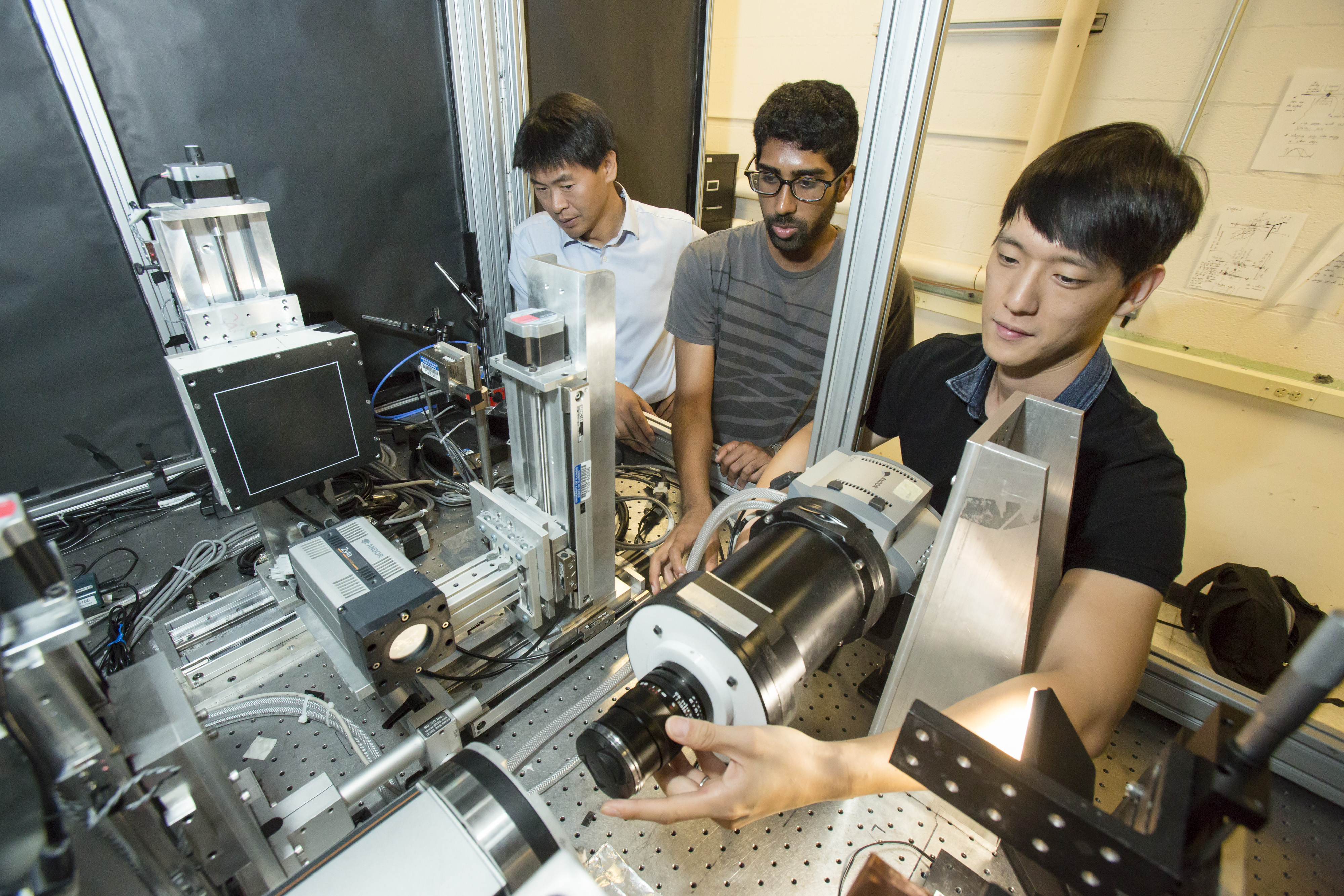
• We develop and apply advanced X-ray and gamma ray sensors with extreme spatial and spectral resolution approaching the physical limits.
• We develop advanced image formation techniques , such as artificial compound eye (ACE) gamma cameras and hybrid electronic and mechanical collimation, to dramatically improve the spatial resolution and sensitivity of future SPECT and PET imaging systems .
• We develop hyperspectral single photon imaging (HSPI) techniques that explores a broad EM spectrum from visible photons to gamma ray radiation to allow multi-functional, multi-tracer molecular imaging techniques, which could greatly broaden the horizon of nuclear imaging for diagnosis and therapeutic applications.
• We develop emerging imaging techniques, such as X-ray fluorescence CT (XFCT) and X-ray luminescence CT (XLCT) .
• We collaborate with many top research groups at premiere institutions (such as Yale, Johns Hopkins, Northwestern, and Washington University in St Louis) to apply these technical breakthroughs in diagnosis of cardiovascular diseases (such as peripheral vascular diseases, PVD), studying of advanced cancer therapy (such as targeted radionuclide therapy), monitoring neural stem cell therapy for glioblastoma multiforme, and diagnosis of neural degenerative diseases and epilepsy.
Our work has been generously supported by NCI, NIBIB, NHLBI, DOE, NRC, and NASA, and various institutional grants with >$30M in total funding , which helped us to establish one of the most active research groups in the world in developing advanced radiological imaging techniques.
Please visit the RESEARCH page to find further information about our research projects and the EQUIPMENT page to explore the equipment available in the lab.